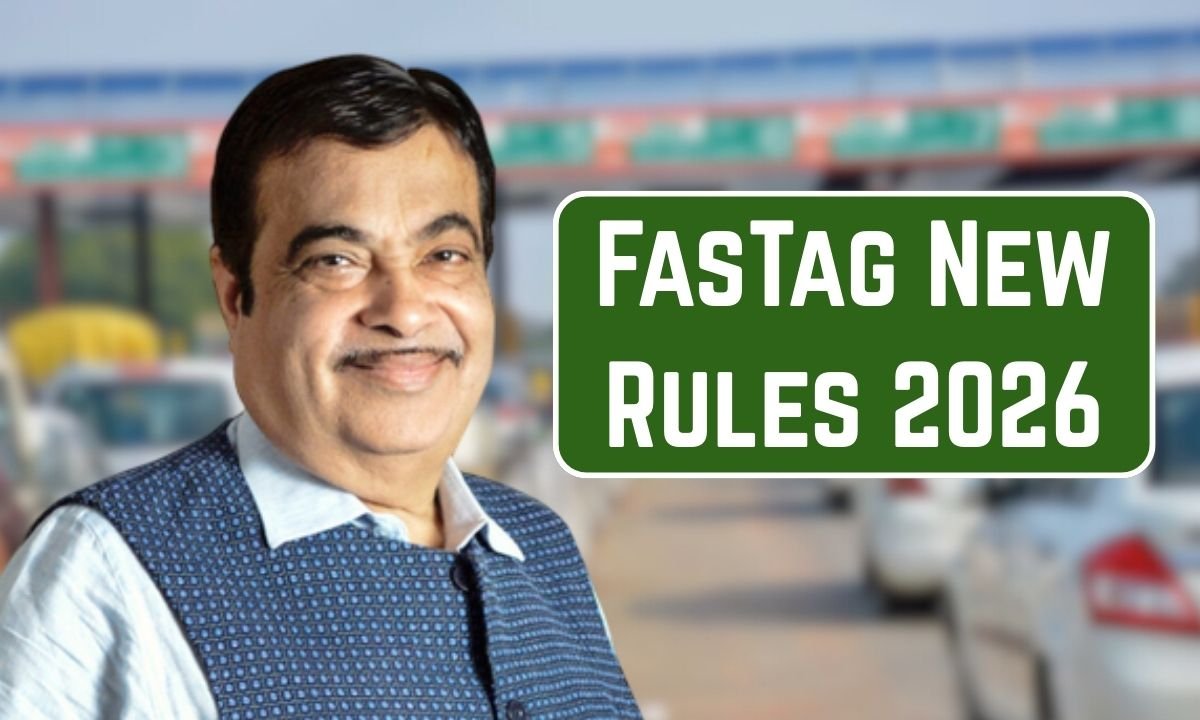
FasTag New Rules 2026: If you drive regularly on national highways, here’s a simple truth — FasTag is no longer optional. And in 2026, the rules have become sharper. The FasTag New Rules 2026 bring tighter KYC checks, higher minimum balance requirements, and stricter penalties for blacklisted tags. The goal is clear: reduce toll plaza chaos and stop misuse before it slows everyone down.
Think about those long queues we used to see before digital tolling became common. The system improved travel time dramatically. Now authorities want to fix the loopholes — fake tags, low-balance disruptions, and repeated defaulters who delay traffic for everyone else.
Mandatory KYC Linking from January 2026
Under the FasTag New Rules 2026, every tag must be fully linked to verified KYC details such as Aadhaar or another valid government ID. Tags without complete KYC are automatically blacklisted. That means your vehicle won’t pass smoothly through toll lanes until verification is done.
This move targets duplicate accounts and anonymous misuse. If your tag suddenly stops working, the first thing to check is KYC status on the My FASTag app or your issuer bank’s portal. Updating details is usually quick, but ignoring it can cost you double toll charges at the plaza.
Higher Minimum Balance Requirement
Another major shift is the revised minimum balance rule. Vehicles must now maintain a higher prepaid amount before entering toll lanes. For cars, jeeps, and vans, the new minimum balance is ₹200, up from ₹100. Light commercial vehicles must maintain ₹300 instead of ₹200. Buses and trucks now require ₹500, while multi-axle vehicles must keep ₹800.

Falling below the required balance can result in double toll deduction or temporary blacklisting. The idea is simple — avoid last-minute payment failures that slow down toll processing and create bottlenecks.
Tougher Blacklisting and Penalty Rules
The FasTag New Rules 2026 also introduce stricter action against repeat offenders. If a tag is blacklisted, the vehicle owner must pay double the toll amount at the plaza. More importantly, three or more blacklisting events within 30 days can trigger a 30-day suspension.
To reactivate the tag, users must complete full KYC verification and clear all outstanding dues. This system discourages habitual non-compliance and keeps lanes moving smoothly for regular users.
Auto-Replenish Now Compulsory
New and renewed FasTags must now have auto-replenish enabled. This feature automatically deducts funds from a linked bank account or UPI once the balance drops below a chosen threshold, such as ₹200 or ₹500. Users receive low-balance alerts 48 hours in advance through SMS and app notifications.
This change ensures fewer payment failures at toll plazas. It also protects drivers from sudden double deductions caused by insufficient funds.

Why These Changes Matter
The FasTag New Rules 2026 are stricter, but they aim to improve efficiency and security. With proper KYC, higher balance buffers, and automatic recharge, toll crossings become faster and more predictable. Honest users benefit from smoother travel, while repeated rule breakers face financial consequences.
If you want stress-free highway travel, keep your KYC updated, maintain the required balance, and activate auto-replenish. A small digital check today can save you from paying double tomorrow.